




Attorneys Filing Claims for BTC-e Civil Asset Forfeiture Proceedings
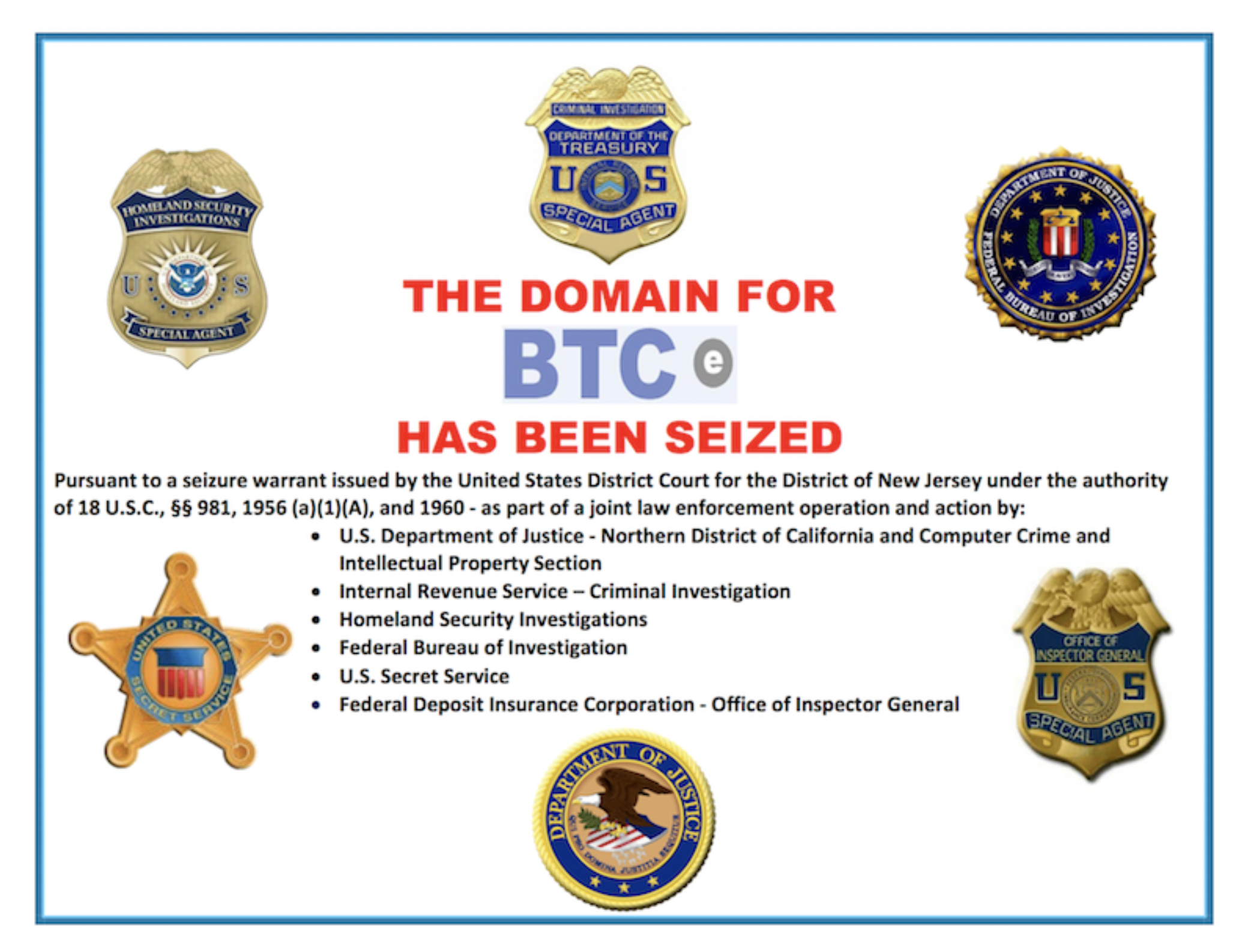
BTC-e Account Holders in the Cryptocurrency Forfeiture Case
On June 30, 2025, the U.S. Department of Justice filed a sweeping civil asset forfeiture complaint in the U.S. District Court for the District of Columbia, seeking to forfeit hundreds of millions of dollars in cryptocurrency and fiat funds connected to the BTC-e cryptocurrency exchange. The case is styled:
United States v. All Virtual Currency Held in the BTC-e Operating Wallets as of July 25, 2017, and Other Assets
Case No. 1:25-CV-02085 (D.D.C.)
The government’s complaint for forfeiture alleges that BTC-e operated as an unlicensed money transmitting business and participated in a money laundering conspiracy. The government’s authority for the forfeiture proceeding is found in 18 U.S.C. § 981(a)(1)(A), invoking 18 U.S.C. §§ 1956(h) and 1960.
Attorney Leslie Sammis was admitted pro hac vice to represent multiple account holders with large cryptocurrency balances seized from the BTC-e platform. On August 1, 2025, the Honorable Carl J. Nichols, U.S. District Judge, granted Leslie Sammis’ motion for pro hac vice admission under Local Civil Rule 83.2(c). She then filed a Notice of Appearance under LCvR 83.6(a) on behalf of several individual claimants. On September 8, 2025, she was sworn in as a member of the U.S. District Court for the District of Columbia.
For the BTC-e cases, attorney Leslie Sammis is co-counseling with two other attorneys focused on civil asset forfeiture law – David B. Smith, Esq., and Edward Burch, Esq.
Initially, the deadline for filing claims ran on September 2, 2025. Recently, the Court agreed to extend that deadline so that the government could send personal notices via email to all of the account holders on the BTC-e website through the email address they used to open the account.
As a practical matter, only those account holders who lost at least $100,000 in cryptocurrency at today’s values might benefit from joining the litigation.
Because it is unclear whether account holders will get much back, some account holders might decide only to file a petition so they can avoid the expense of filing a claim for court action and litigating the claim in federal court.
Uniquely Qualifications for Crypto Forfeiture Litigation?
Litigating cases like the civil asset forfeiture case involving funds seized from the BTC-e exchange is complicated. By joining forces, Leslie Sammis, Esq., David B. Smith, Esq., and Edward Burch, Esq., each bring unique qualifications including extensive experience in federal asset forfeiture rules, deep cryptocurrency seizure experience, and operational proximity and familiarity with the D.C. federal court.
The BTC-e litigation presents an interesting case study in how such cases are resolved in federal court.