



How to Win a DUI Refusal Case on Appeal
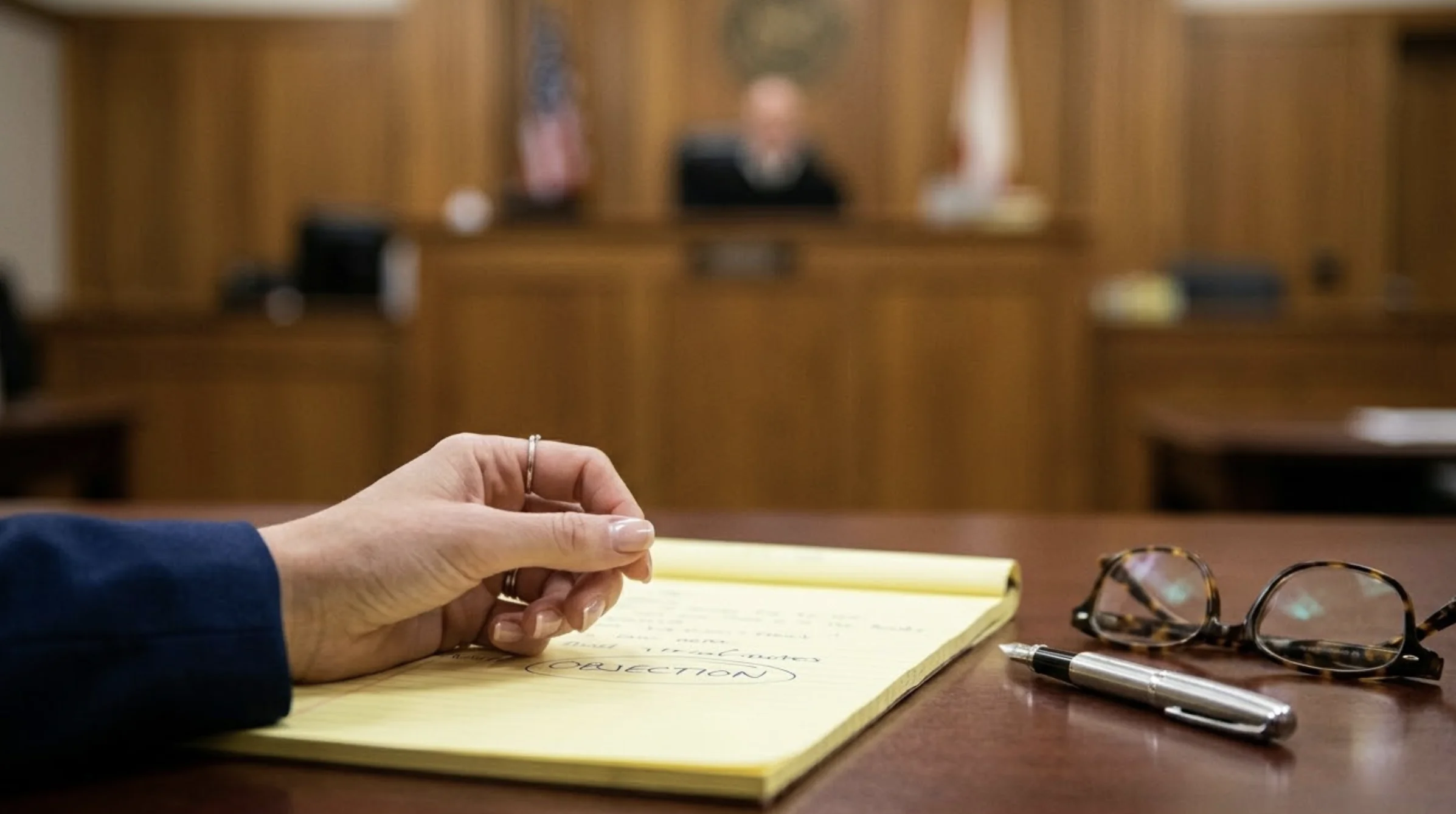
The Florida Third District Court of Appeal recently released an opinion in Osorio v. State, __ So.3d ___, 51 Fla. L. Weekly D 210, 2026 WL 290998 (Fla. 3d DCA 2026), which serves as a powerful reminder that experienced counsel can identify critical legal issues that might otherwise go unnoticed. In this case, a DUI conviction was reversed and remanded for a new trial because the prosecutor made an improper “burden-shifting” argument during closing statements.
The attorneys at Sammis Law Firm were NOT involved in the Osorio case, but it does remind me of an appeal I won on a similar issue in Olson v. State, No. 14-CF-3570-WS (Fla. 6th Cir. App. Ct. August 18, 2015). I was not the trial attorney for the first trial in the Olson case, but I did handle the appeal. I won the appeal because the prosecutor made this improper argument during closing:
“But when she’s presented with the ultimate chance, here’s the mouth piece, blow into this machine, finally, no questions, this is the time, if you’re—if you can provide what it is, that’s going to make a huge difference.”
Those 39 words were the reason we won the appeal, even though the trial attorney at that first trial did not object when the prosecutor made that improper argument. After the case we remanded for a new trial, the client hired us to take the case to trial the second time. We did win the second trial with a “not guilty” verdict.
Since there was no objection in Olson’s first trial to that statement, on appeal, we had to meet a higher standard on appeal by showing “fundamental error.”
The court’s rationale in the Olson centered on several key legal principles regarding the burden of proof:
- Creating a Perception of Burden: The specific phrase “that’s going to make a huge difference” was found to have “impermissibly created the perception that the Appellant had the burden to provide evidence of innocence.”
- Shifting the Burden of Proof: While a prosecutor is allowed to argue that a refusal indicates a “consciousness of guilt,” they cannot argue that an innocent person would voluntarily take the test to “prove” their innocence. Doing so erroneously leads the jury to believe the defendant carries the burden of introducing evidence.
- Comment on Silence: The court noted that comments on a defendant’s failure to respond to a deputy’s inquiries are “high risk errors” because they can vitiate the right to a fair trial.
- Failure of Harmless Error Test: Because the State could not prove beyond a reasonable doubt that this improper comment did not contribute to the verdict, the conviction could not stand.
In the Olson appeal, the opinion cited Morris v. State, 988 So. 2d 120, 123 (Fla. 5th DCA 2008), noting that a prosecutor violates a defendant’s rights by arguing that an “innocent person would speak up and protest his innocence” or volunteer for a test to prove it.
This new case, Osorio v. State, shows why this issue comes up all the time at DUI refusal trials. If you are charged with DUI and refusal to submit to a breath test, this recent case, highlights how a skilled attorney can identify the prosecutor’s “bad” argument in real-time, object, and preserve this important issue.
Prosecutors Trying to Shift the Burden of Proof
In a criminal trial, the most fundamental rule of due process is that the State carries the entire burden of proof. The defendant is never required to prove their innocence or refute any element of the crime. The most important thing at trial is that your DUI defense attorney holds the prosecutor’s feet to the trial to prevent any suggestion that the burden can be shifted to the defense.
In Osorio v. State, the defendant struck a parked patrol car and subsequently refused a breath-alcohol test. During closing arguments, the prosecutor told the jury:
“If someone was sober in this situation, why would you not blow? … You’d be done with it, proved innocence beyond a reasonable doubt, we’re out of here.”
The prosecutor doubled down in the rebuttal, stating the officer gave the defendant a “chance to prove” his poor performance on field exercises was due to injuries rather than alcohol by simply blowing.
While Florida law allows a prosecutor to argue that a refusal shows a “consciousness of guilt,” they cannot suggest that the defendant had an obligation to take the test to prove they were sober.
When the prosecutor in Osorio used the words “proved innocence,” they crossed a legal “red line”. Osorio’s defense counsel knew this and immediately made timely objections. Although the trial judge mistakenly overruled these objections at the time, those objections “preserved the record”. Without that objection, the appellate court might never have reviewed the error.
The appellate court found that these remarks were not “harmless”. Because Osorio had a competing explanation for his poor performance—prior sports injuries—the prosecutor’s suggestion that he “waived the opportunity to prove his innocence” was a harmful constitutional error. The result? The conviction was wiped out, and the case was sent back for a brand-new trial.
Strategic Takeaways for Refusal Trials
Both Osorio and Olson involved situations where the prosecutor suggested that taking a breath test was the defendant’s “chance” to clear their name:
- In Osorio: The prosecutor told the jury that by blowing, the defendant could have “proved innocence beyond a reasonable doubt.”
- In Olson: The prosecutor argued that blowing into the machine was the defendant’s “ultimate chance” and that if she could provide the sample, “that’s going to make a huge difference”.
Florida law allows a prosecutor to argue that refusing a breath test shows “consciousness of guilt”. However, as the court held in our Olson case, they cross the line when they create a perception that the defendant had an affirmative obligation to produce evidence of innocence.
In both cases, the appellate courts found these errors were not “harmless”. Because there were other possible explanations for the behavior observed by officers—such as injuries or benign factors—suggesting the defendant “waived” their chance to prove innocence was a harmful error that affected the verdict.
The result in both cases? The convictions were reversed and remanded for new trials.
A skilled attorney must identify these “bad” arguments in real-time and object to preserve the record for appeal. While admissible, your refusal cannot be framed as a failure to fulfill a duty to prove you were sober. Winning an appeal requires proving that the prosecutor’s error created a “reasonable possibility” of influencing the jury.
At Sammis Law Firm, we have a history of taking these issues to the appellate court and winning. We know how to prevent prosecutors from unconstitutionally turning your right to remain silent against you.
You have a right to refuse the breath test, though it comes with administrative penalties (like a longer suspension). The State can tell the jury you refused, but they cannot say you should have used the test to prove you were innocent.
A prosecutor can argue you refused because you knew you were over the limit. They cannot argue you had a “duty” to dispel their suspicions.
If your attorney catches a prosecutor making these types of “Super Speeder” logic errors or burden-shifting comments, it creates a pathway to overturn a guilty verdict even after the trial is over.
At Sammis Law Firm, we have successfully won appeals on these exact issues in the past. We know the difference between a fair comment on the evidence and an unconstitutional attempt to make you prove your own innocence.
For more information on how to win a DUI Refusal case, contact an experienced attorney at Sammis Law Firm.
Call 813-250-0500.