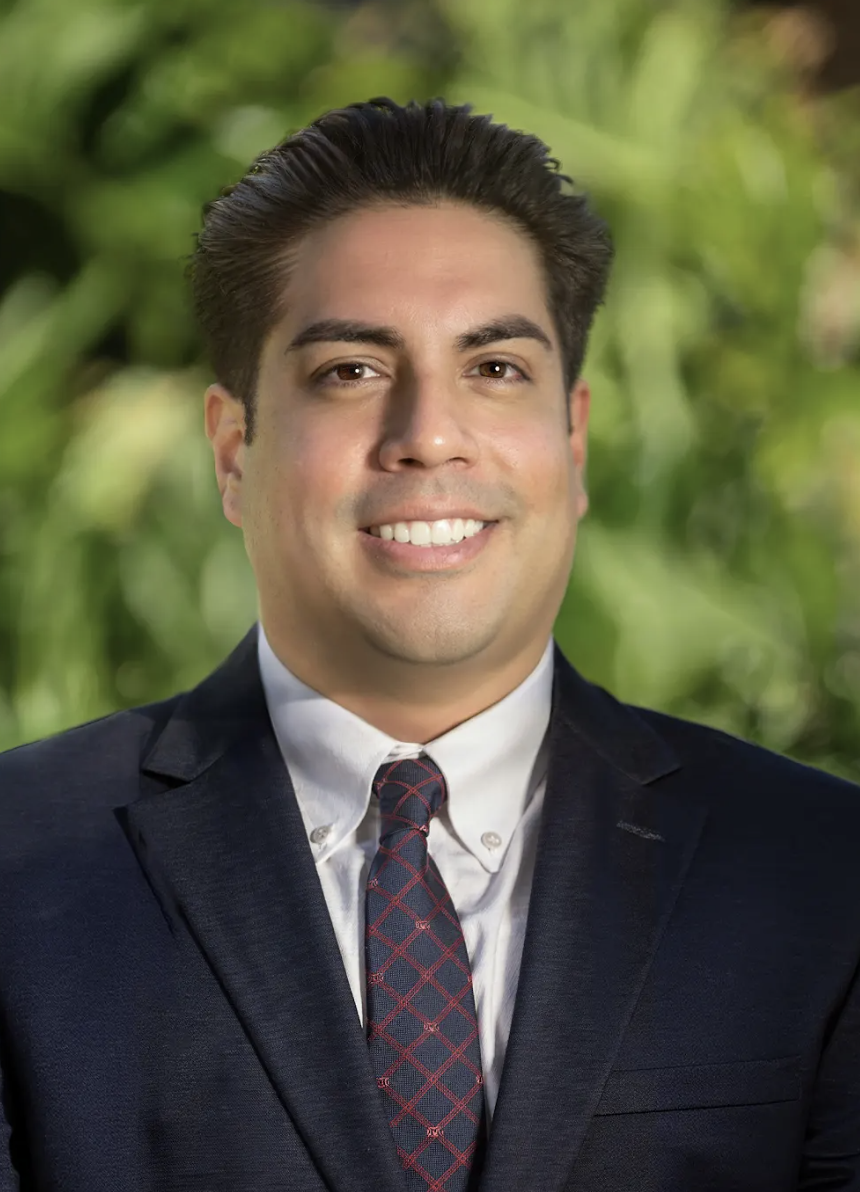




Boating under the Influence (BUI) in Pinellas County
Attorney Katherine Aranda at Sammis Law Firm represents individuals arrested for BUI throughout Pinellas County, FL. Law enforcement officers investigating a BUI case must often make a judgment call about whether to arrest a boater. Drinking alcohol and then driving a boat is not illegal.
The crime of BUI is committed only when the driver has consumed enough alcohol to be more than the legal limit of 0.08 (per se BUI) or when the driver’s normal faculties are impaired due to alcohol intoxication.
When making these difficult judgment calls, law enforcement officers often make mistakes. From the BUI officer’s perspective, a boat is a vessel that requires safe operation. The safe operation of a boat is hampered when the boater is under the influence of alcohol or drugs (BUI). The problem of drug or alcohol impairment is compounded for operators of boats because they are typically far less experienced on the water than driving a vehicle.
The lack of boating experience, combined with distractions that can occur while boating, including other boaters, weather conditions, and seasickness, can intensify the effects of drugs or alcohol while boating. The marine environment can also intensify a boat operator’s impairment because of wind, sun, engine noise, motion, and vibrations.
In addition to Boating Under the Influence § 327.35(1), Fla. Stat., other types of boating crimes prosecuted in Pinellas County, FL, include:
- Boating Under the Influence Causing Property Damage or Injury under § 327.35(3)(a)(b)(c)1, Fla. Stat.;
- Felony Boating Under the Influence under § 327.35(2)(b)1, Fla. Stat. or § 327.35(2)(b)3, Fla. Stat.;
- Boating Under the Influence Causing Serious Bodily Injury under § 327.35(3)(a)(b)(c)2, Fla. Stat.; or
- Reckless Operation of a Vessel under § 327.33(1), Fla. Stat.
Attorney for BUI Crimes in Pinellas County, FL
If you were arrested for boating under the influence of drugs or alcohol in Pinellas County, FL, contact attorney Katherine Aranda for a free and confidential consultation. Ms. Aranda represents clients in Pinellas County, FL, for various boating crimes, including BUI, refusal to submit to a breath test after a BUI arrest, and reckless boating.
Ms. Aranda understands the training that marine deputies undergo, including the 24 hour course to become certified in standard FSTs and the 8 hour course to become certified in how to administer the seated battery exercises.
During the free and confidential consultation, Ms. Aranda can explain the benefits of avoiding a BUI conviction. Otherwise, the court is required to impose harsh penalties and adjudicate you guilty of BUI, which creates a permanent criminal record that can never be sealed or expunged.
Other penalties imposed by the court for boating under the influence of alcohol or drug might include jail or probation, steep fines, court costs, a requirement to complete community service, a requirement to complete a substance abuse evaluation and any recommended follow-up treatment, and a requirement to complete a boating safety course.
Although a BUI will not result in a suspension or revocation of your driving privileges, it can be used against you to enhance the penalties if you are ever arrested for DUI. For example, Section 327.35(6)(i) and Section 316.193(6)(m) require that a BUI conviction counts as a DUI for purposes of determining whether any subsequent offense is treated as:
- a second DUI within five years;
- a third DUI within ten (10) years; or
- fourth-lifetime offense.
The attorneys at Sammis Law Firm understand the standard operating procedures used by officers with the Florida Fish and Wildlife Conservation Commission (FWC) or deputies with the Pinellas County Sheriff’s Office when stopping a vessel on the water, conducting a boater safety inspection or conducting a BUI investigation. We can help you spot issues that others might miss.
With offices in Clearwater, FL, we represent clients on misdemeanor and felony offenses throughout Pinellas County, FL.
Call 813-250-0500.
BUI Seated Field Sobriety Test (FST) in Pinellas County, FL
At the Pinellas County Sheriff’s Office, some of the marine deputies are are certified in standard FSTs in a 24-hour class. To become certified in the seated battery exercises, they must complete an additional 8-hour class.
The Pinellas County Sheriff’s Office recently published an article explaining how its deputies receive training on conducting Seated Field Sobriety Test (FST) during BUI investigations throughout Pinellas County, FL.
While in a traditional setting on the roadside, officer conduct Standardized Field Sobriety Exercises, law enforcement considers the Seated Field Sobriety Tests (FST) to be more appropriate for situations in which the accused has been on a boat and needs to be evaluated to determine whether probable cause exists that they were Boating Under the Influence (BUI).
The BUI investigation typically begins when a deputy stops a vessel on the water for a violation. Violations might include going too fast in a slow speed area or not having current proof of registration. If the deputies make contact with the vessel operator and notice signs of impairment, they might ask the operator to board their vessel to conduct the next phase of the investigation for BUI.
The deputy will look for “clues of impairment.” Those behaviors or physical signs that might indicate impairment, including:
- the odor of alcoholic beverage;
- red, bloodshot or watery eyes;
- swaying; or
- slurred speech.
The BUI suspect might be ased a series of questions about their ability to take the test. For example, they might be asked the following:
- Are you sick, injured, or taking any medications?
- Do you have any vision problems, or any defect in your limbs?
The deputy might perform the horizontal gaze nystagmus (HGN) test, where the BUI subject follows the tip of the deputy’s pen or similar object with their eyes. The deputy is checking for the involuntary jerking of the eyes that is caused by intoxication and other factors.
If the deputy at the Pinellas County Sheriff’s Office might ask the suspect to participate in FSTs, a battery of divided attention exercises. The tasks have a lot of different components, and no single mistake is going to qualify as a poor performance.
During the instruction phase of the exercises, the subject is told to listen to directions and follow them closely. FSTs include a series of movements that require some concentration sober but are very difficult to do when impaired. The person is given directions on how to sit – straight at the front edge of the seat, arms at their sides, feet shoulder width apart – and told to stay in that position until told otherwise.
The deputy gives directions for the first test and demonstrates the movements while making sure the person acknowledges that they understand. The subject when begins the seated exercises.
During the Finger to Nose evaluation, the sitting subject makes a fist with both hands, extends their index finger, turns their palms forward, closes their eyes and tilts their head back at a 45-degree angle. When the deputy calls out “right” or “left,” the suspect must touch the tip of their nose with the tip of their index finger and then return their hand to their side.
The deputy has a checklist in BUI cases, marking each time the suspect fails to follow instructions or lacks the coordination to do the movements. For example, the suspect might use the wrong hand, missing their nose, opening their eyes, or other mistakes. For the Finger to Nose evaluation, a person has to make at least nine mistakes before it is considered a sign of impairment.
During the Palm Pat Exercise, the seated subject places their hands palm to palm in front of them, with one palm up and the other facing down, parallel to the ground. The BUI suspect is told to turn the top hand over and count out loud one, then turn that top hand back over and count two when the hands make contact. The suspect then repeats these instructions, speeding up as they go, until told to stop.
Possible errors during the palm pat exercise include not counting, double pats, and not increasing speed. For this exercise, one, two or more mistakes might indicate impairment.
For the Hand Coordination exercise, the suspect is instructed to make a fist with each hand, with the left at the center of their chest, and the right fist against the left. The suspect is told to walk their fists outward in a steplike fashion, counting out loud one, two, three, four. Then, memorizing the position of their hands, the suspect is told to clap three times and return their hands to the memorized position.
Then, the person is told to walk their hands back to their chest, counting five, six, seven, eight, ending with the left fist on the chest. Then the person is told to open their hands and put them palm down on their lap. On this exercise, the BUI investigator is trained to count three or more mistakes as an indication of impairment.
After these exercises are completed, if the marine deputy believes the subject is impaired, the person is moved to land so they can be placed under arrest. The marine deputy then asks the subject to submit to breath samples. If they refuse, they are read their implied consent rights.
Examples of BUI Enforcement in Pinellas County, FL
According to press release number 22-058, the deputies with the marine unit of the Pinellas County Sheriff’s Office will partner with officers from the Florida Fish and Wildlife Conservation Commission (FWC) to participate in Operation Dry Water over the Fourth of July holiday weekend. The operation for heightened BUI enforcement is scheduled to begin on Saturday, July 2, 2022, from 10:00 a.m. until midnight.
The concept for Operation Dry Water was created in 2009 by the National Association of Boating Law Administrators (NASBLA) in partnership with the United States Coast Guard. The operation’s purpose is to “draw public attention to the hazards of Boating Under the Influence (BUI) of alcohol and drugs” by increasing patrols.
The other goal of Operation Dry Water is to detect and enforce BUI laws to reduce the number of alcohol and drug-related accidents on the water as well as reduce deaths, injuries, and property damage associated with boat crashes related to speed, aggressive driving, and the impaired operation of vessels.
The July Fourth holiday weekend is known for having more vessels on the water and a slight increase in boater accidents.
Additional Resources
BUI Arrests in Operation Dry Water – Visit the website of the National Association of Boating Law Administrators (NASBLA) to learn more about the way BUI cases are investigated and prosecuted. The organization provides support, education, and resources to law enforcement officers who patrol the waterways and enforce boater safety laws and conduct investigations for boating while impaired. For Operation Dry Water 2022 agencies that participate must complete a Law Enforcement Report Form that identifies the Agency, USCG District (if applicable), USCG Sector (if applicable), Types of Activities Performed (Saturation Patrol Response, Checkpoints Response, or Heightened Awareness During Normal Patrol); Number of Officers that worked ODW weekend; Number of Vessels Contacted; Number of Boaters Contacted, Number of Boating Citations Issued, Number of BUI – Alcohol Arrests/Citations, Number of BUI – Drug Arrests/Citations, Highest BAC Level (if known), Number of Boating Safety Warnings; and Other agencies/stations whose Operation Dry Water results are included in this report (if any).
Avoiding a BUI – Tips from FWC Officers – Visit the website of the Florida Fish and Wildlife Conservation Commission (FWC) to learn more about how FWC partners with other local law enforcement agencies to help reduce boating under the influence crimes in the waterways throughout Pinellas County, FL. This press release dated 3/31/2022 discusses boating safety tips from Bryce Phillippi and Capt. Evan Laskowski, FWC Southwest Region Division of Law Enforcement. The press release explains why the Southwest Region Florida Fish and Wildlife Conservation Commission (FWC) officers, in partnership with the Pinellas County Sheriff’s Office, Treasure Island Police Department, and United States Coast Guard, will be conducting enhanced patrols to find vessel operators boating under the influence of drugs or alcohol. The press release also offers safety tips including picking a designated operator of the vessel before you leave the boat ramp, having the property safety equipment on board, and wearing a life jacket on the boat. Pinellas Marine Deputies Partner With FWC for Operation Dry Water.
This article was last updated on Friday, April 24, 2026.